by greenbook_admin | May 15, 2024
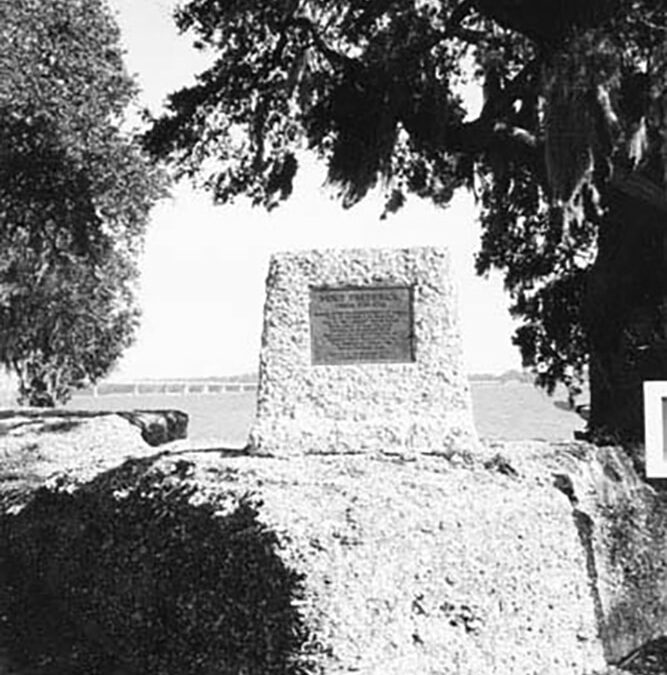
The Camp Saxton Site is nationally significant as an intact portion of the camp occupied from early November 1862 to late January 1863 by the 1st South Carolina Volunteers, the first black regiment mustered into regular service in the United States Army during the...
by greenbook_admin | May 15, 2024
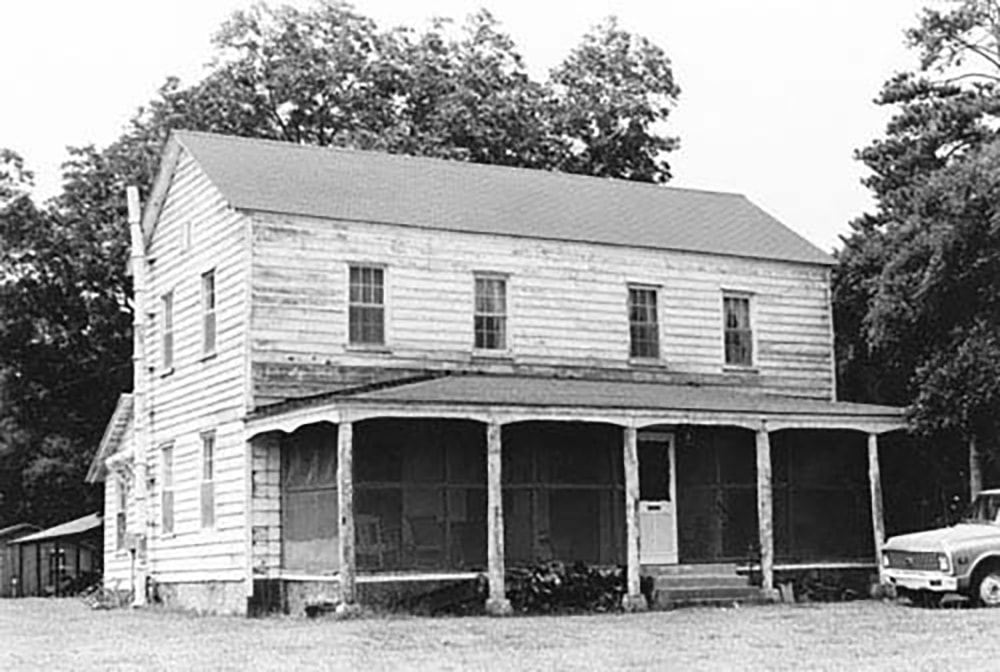
The Cainhoy Historic District, while listed for its collection of buildings that date from the 18th to the 20th centuries, also derives significance from its association with black history and Reconstruction politics. During the heated gubernatorial election of 1876,...
by greenbook_admin | May 15, 2024
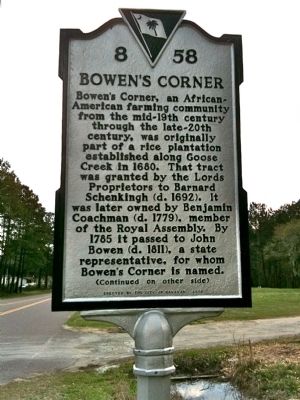
Bowen’s Corner, an African American farming community from the mid-19th century through the late-20th century, was originally part of a rice plantation established along Goose Creek in 1680. By 1785, the property was acquired by John Bowen, a state representative....
by greenbook_admin | May 15, 2024
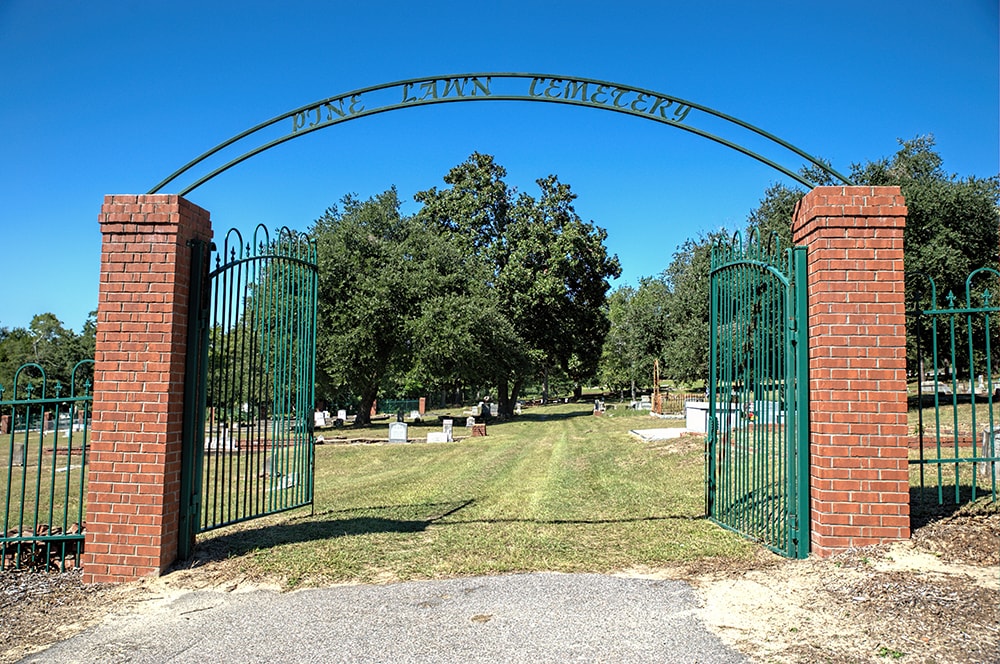
Established in 1852, Aiken Colored Cemetery includes the burial sites of slaves, freedmen, Reconstruction-era politicians, merchants, bankers, lawyers, physicians, ministers and educators. The Aiken County Historical Society sponsored a roadside historical marker to...
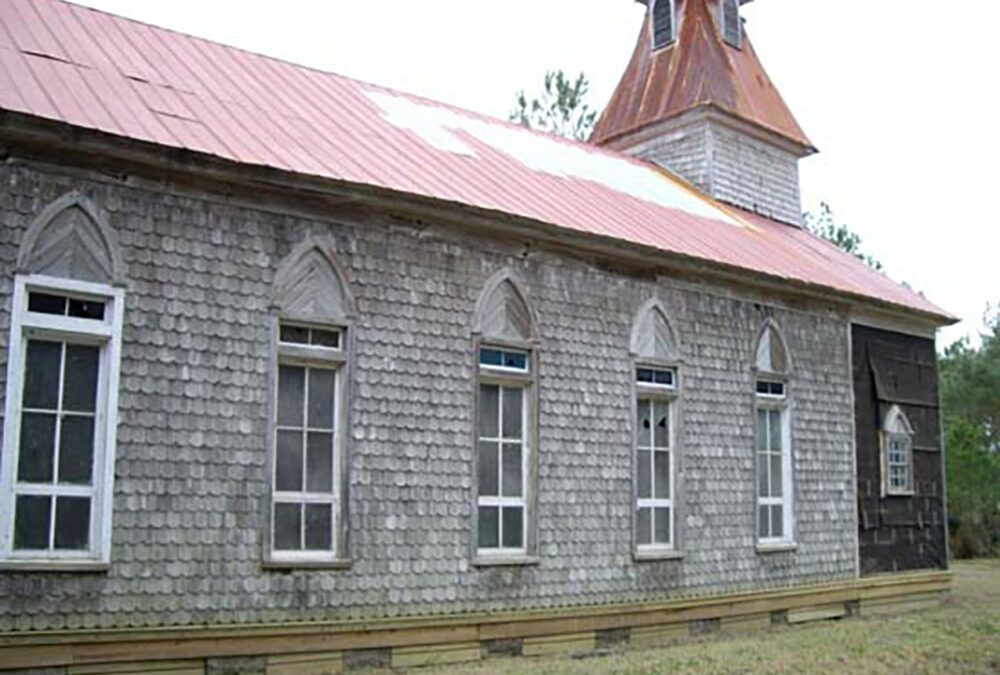
by greenbook_admin | May 15, 2024
Bethel AME Church was one of numerous churches established by the AME denomination in Reconstruction-era South Carolina. It was the first church established for African Americans in McClellanville. Likely built by Samuel Drayton, a formerly enslaved carpenter, the...