by greenbook_admin | May 15, 2024
In the 1870s, this was the home of James Alfred Bowley (c.1844-1891). Born enslaved in Maryland, Bowley was the great nephew of Harriet Tubman (c.1822-1913). In 1850, Tubman and Bowley’s free father organized a plan to free Bowley and his mother and sister, making...

by greenbook_admin | May 15, 2024
This Civil War fort, named for Gen. Joshua Blackwood Howell (1806-1864,) was built by the U.S. Army’s 32nd Colored Infantry and the 144th N.Y. Infantry to defend Hilton Head and the nearby freedmen’s village of Mitchelville from potential Confederate raids or...
by greenbook_admin | May 15, 2024
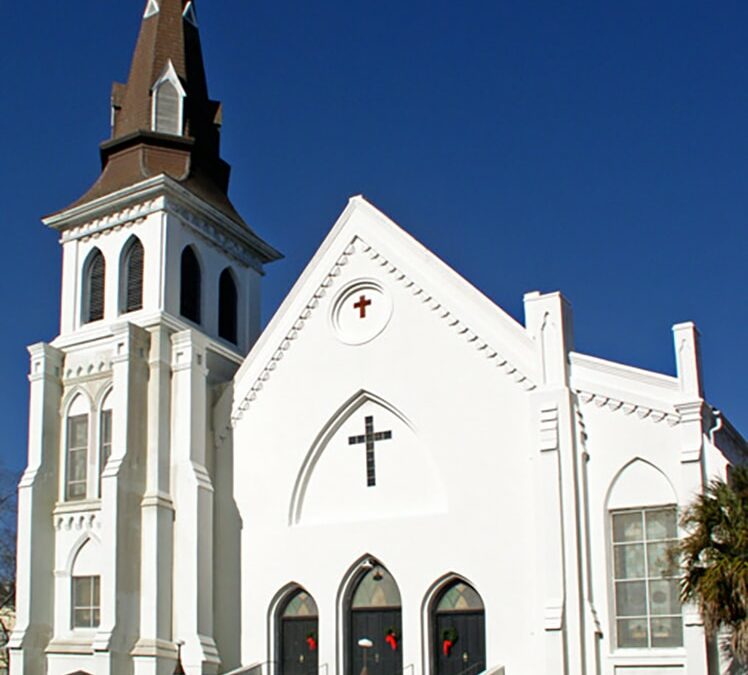
The congregation of Emanuel AME was organized c. 1865 with Rev. Richard H. Cain as its first pastor. The church was built on the legacy of an African Methodist Church, which had thrived in the early 19th century, but had been banned after the Denmark Vesey conspiracy....
by greenbook_admin | May 15, 2024
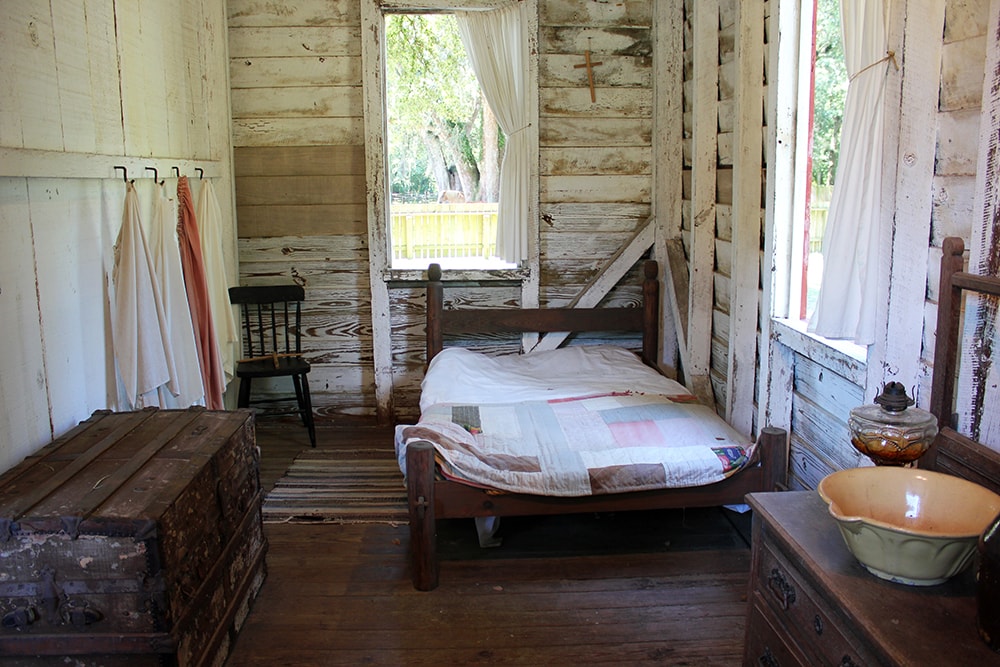
Eliza’s House is a small frame building named for Eliza Leach (1891-1986), who worked at Middleton Place for more than 40 years and was the last person to live in the house, and is one of several structures on the grounds that interprets African American life. The...
by greenbook_admin | May 15, 2024
On this site stood Howard School, a public school for blacks established after the Civil War. By 1869 there was a two-story frame building large enough for 800 pupils. Partially funded by the Freedmen’s Bureau, the school reportedly was named for Oliver O. Howard,...