The Green Book of SC

A Travel Guide to S.C. African American Cultural Sites

News

Claflin University

Claflin University

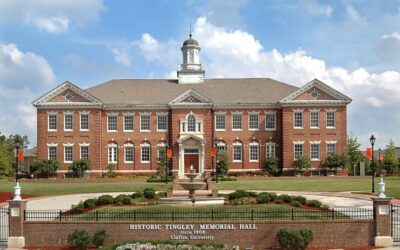
In 1869, Methodist ministers from the North who had come to South Carolina as missionaries to the former slaves, established Claflin University. The school was named in honor of the family of Lee Claflin, a wealthy Methodist layman of Massachusetts. In addition to...
read more
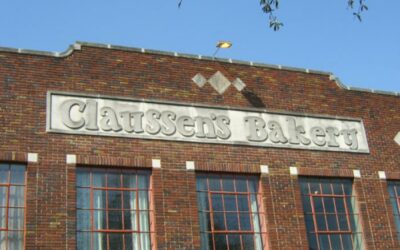
Claussen Bakery

Claussen Bakery

In February 1967, 22 African American employees went on strike to protest discrimination in hiring and promotion practices at the company. The Greenville branch of the NAACP called for a boycott of Claussen baked goods in protest. Jesse Jackson, then working as...

read more
Clinton AME Zion Church

Clinton AME Zion Church

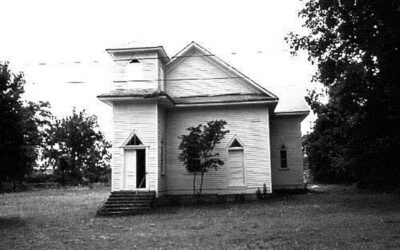
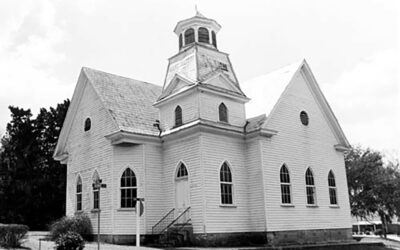
The congregation of Clinton African Methodist Episcopal Zion Church, which was organized in the early 20th century, was the first separate African American congregation in Kershaw. This wood frame vernacular Gothic Revival building was constructed in 1909. Clinton AME...

read more
Clinton Memorial Cemetery

Clinton Memorial Cemetery

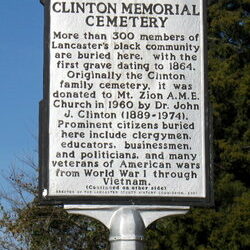
More than 300 members of Lancaster’s black community are buried here, with the first grave dating to 1864. Originally the Clinton family cemetery, it was donated to Mt. Zion AME Church in 1960. This cemetery is named for Isom Caleb Clinton, born a slave, but organized...

read more

Bethesda Baptist Church

Organized shortly after the Civil War with Rev. Edward Rhue as its first pastor, Bethesda Baptist Church purchased this site by 1867. Construction of this sanctuary began in 1922 during the pastorate of Rev. A. W. Puller and was completed and dedicated during the...

read more
Bethlehem Baptist Church

Bethlehem Baptist Church

Both free and enslaved African Americans were members of the white-run Barnwell Baptist Church since the 1830s.  They petitioned Barnwell Baptist Church leaders for letters of dismissal from the church and subsequently organized Bethlehem Baptist Church in 1868.  The...

read more
Bettis Academy and Junior College

Bettis Academy and Junior College

Founded by the Mt. Canaan Educational Association, a cooperative venture of area Bapitst churches, Bettis Academy operated here from the early 1880s until 1952. The curriculum included the standard academic subjects as well as religion, teacher education, and...

read more

Beulah School

Built between 1922 and 1930, Beulah School was a two-room schoolhouse for African American elementary students.  Roughly 50 to 100 students attended school for four to five months.  The academic year expanded to eight months in 1939.  Janie Colclough and Brantley...

read more
Bible Way Church of Atlas Road

Bible Way Church of Atlas Road

Elizabeth "Mother" Simmons, Andrew C. Jackson, and a small group of supporters founded and organized this church in 1963.  The first building, known as the "Little Red Church," burned and services were briefly held at Atlas Road Elementary School.  The newly rebuilt...

read more
Big Apple / House of Peace Synagogue

Big Apple / House of Peace Synagogue

Built before 1910, the House of Peace Synagogue was located 100 yards to the south of its present location.  The building became home to a popular African American nightclub known as "The Big Apple" after being sold and moved.  Nightclub regulars sparked a national...

read more
Birthplace of Mary McLeod Bethune

Birthplace of Mary McLeod Bethune

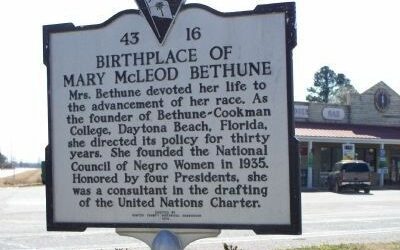
Born on July 10, 1875, near Mayesville, Mary McLeod Bethune devoted her life to the advancement of her race.  She was one of the first pupils and later taught at Mayesville Mission School, located 50 yards west of this marker.  Bethune founded and directed educational...

read more
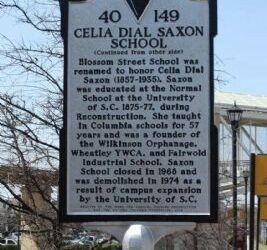
Blossom Street School

Blossom Street School

At the corner of what was then Blossom & Gates (now Park) Streets the school was built in 1898 as the first public school in Columbia south of Senate Street. A frame building, it was originally a school for white children. Blossom Street became a school for black...

read more
Bonds Conway House

Bonds Conway House

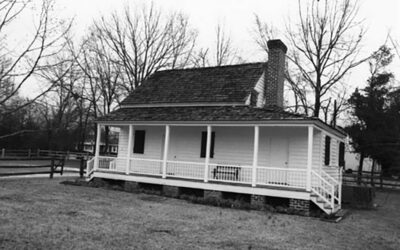
Bonds Conway, born a slave in Virginia in 1763, was brought to Kershaw County in 1792 by his owner, Peter Conway who allowed him to hire himself out and earn money. He purchased his own freedom in 1793. Thereafter he worked as a skilled carpenter and also began to...

read more
Boone Hall Plantation

Boone Hall Plantation

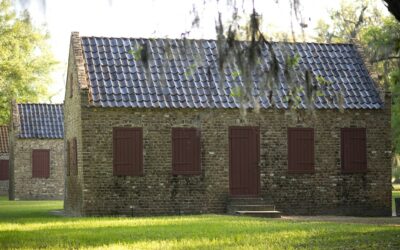
Nine slave houses still remain at Boone Hall and form one of the few remaining slave streets in the state. The houses date from 1790 to 1810, and two of them display exceptional brickwork and feature diamond shaped patterns unusual in South Carolina. The nine slave...

read more