Carver Theatre is important for its association with Columbia’s African American community in the early to mid-20th century. Built c. 1941, it is the only theater still standing that was built exclusively for African Americans in Columbia. During the days of Jim Crow...
News
Catawba Rosenwald School / Liberty Hill School
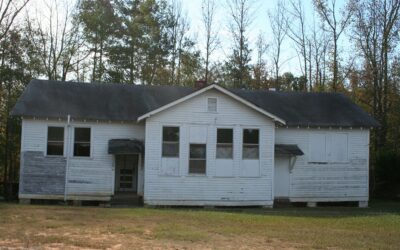
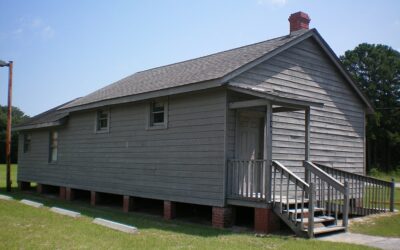
The Catawba Rosenwald School was built in 1924-25 to serve the African American community in southeastern York County. It was known as the Catawba School on official lists of Rosenwald schools, but is generally known as the Liberty Hill School locally because of its...
Cedar Grove Baptist Church / Simpsonville Rosenwald
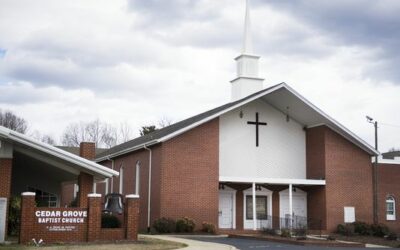
The Reedy River Baptist Association built a school for the African American children of Simpsonville and other area communities on this site in 1891-92. In 1923-24 the Simpsonville Rosenwald School, an eight-room elementary and high school, was built nearby. Marker...
Cedar Grove Plantation Chapel
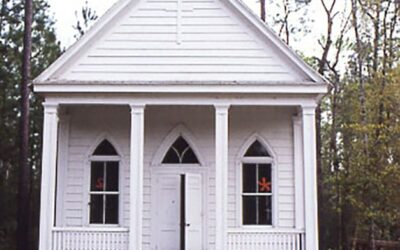
Rev. Alexander Glennie, rector of All Saints’ Episcopal Church (1830-60), established a ministry to slaves on the rice plantations of Georgetown County and eventually built thirteen chapels for them. Cedar Grove (c. 1850) is the only remaining chapel of these...
Centenary Rosenwald School / Terrell’s Bay High School
Centenary Rosenwald School was built here in 1924-25. The two-room frame school was one of 500 rural schools in S.C. constructed with partial funding from the Julius Rosenwald Foundation. An average of 125 students a year attended, at first in grades 1-7 but later...
Centenary United Methodist Church
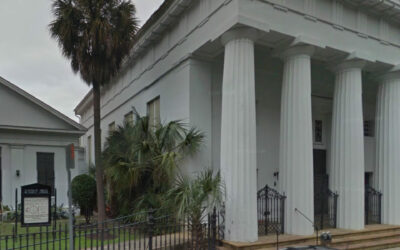
Built in 1842, it was originally the Second Baptist Church. In 1866, African American members of Trinity Methodist Church bought it for $20,000 in gold from the Baptists and gave it its present name. In its congregation were many members of Charleston’s African...
Central Baptist Church
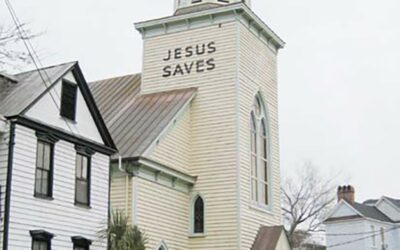
Designed and built in 1891 by John P. Hutchinson and paid for solely by African Americans. It was organized by a group from Morris Street Baptist Church. The wood frame church is an example of the Carpenter Gothic style of architecture, which features a square tower...
Charles H. Duckett House
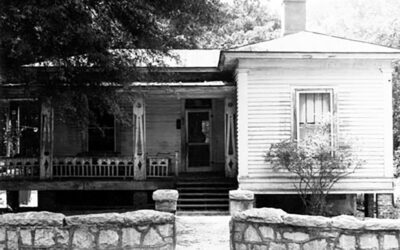
Charles H. Duckett built this house c. 1892 and lived here until his death in 1942. He was a carpenter, contractor, and lumber dealer in Laurens and owned the only lumberyard there for many years. The house demonstrates Duckett’s skill in carpentry and construction....
Cherry Grove Christian Church
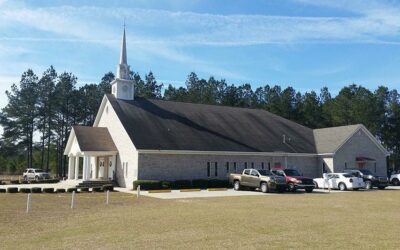
This church, a congregation of the Disciples of Christ, was founded in 1855 by members of Three Mile Creek Christian Church. Rev. Ervin was its first pastor, and it met in a brush arbor before building the sanctuary. The present brick church was built in 2002. Marker...
Cherry Hill Classroom
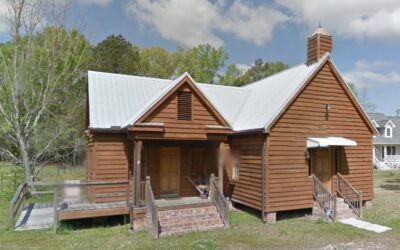
Located in the historic Cherry Hill community is a one-room schoolhouse built c.1876. The building served as both a school for African American students and as a church for the Cherry Hill community. The one-room school from first grade through sixth grade became a...
Cherry Hill School
This one-room frame school, built ca. 1937, was the first separate school building constructed for African American students on Hilton Head Island. It replaced an earlier Cherry Hill School, which had held its classes in the parsonage of St. James Baptist Church....
Chestnut Consolidated School / Chestnut Consolidated High School
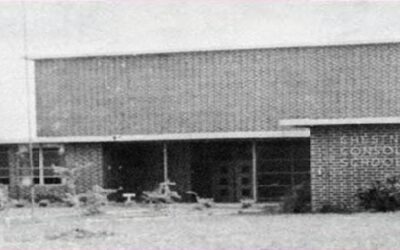
Located on this site from 1954-1970, this school was built under the equalization program of Gov. James F. Byrnes which intended to preserve segregation by building new schools for black students. Named in honor of Horry County educator J.T. Chestnut (1885-1967), it...
Episcopal Church of the Atonement
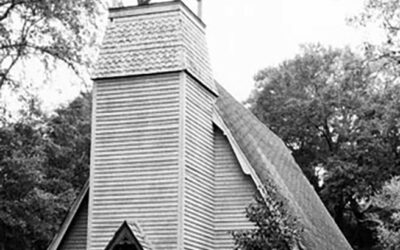
This African American congregation was formed in 1892 as a mission of St. Jude’s Episcopal Church, a white congregation. The rector of St. Jude’s supplied services for the Church of the Atonement. This distinctive Gothic Revival church was built in 1896. The wood...
Cigar Factory : Birthplace of “We Shall Overcome”
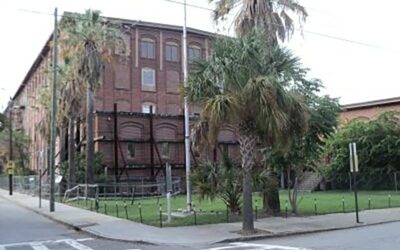
Built c.1882, this five-story structure was the commercial site of the Charleston Manufacturing Company and later the Charleston Cotton Mills. In 1903, the American Tobacco Company leased it and purchased it outright in 1912. Known as “the Cigar Factory,” it produced...