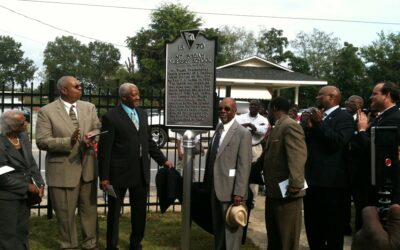
Although Beaufort’s black military companies remained active after the Civil War, statewide the “Negro militia” rapidly declined during the 19th century. By 1903, the only units left were two companies in Beaufort. Many black Union veterans lived in the community, and...
News
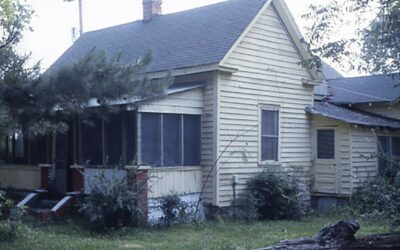
Great Branch School and Teacherage
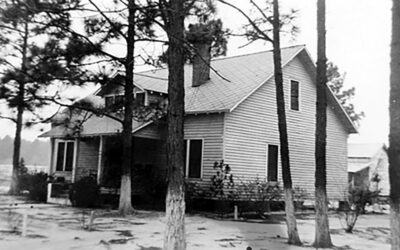
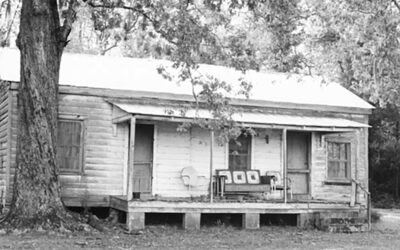
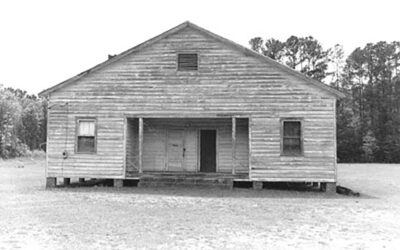
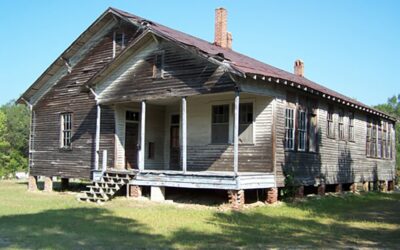
The Great Branch School, which stood here from 1918 to the early 1960s, was one of the first Rosenwald schools in S.C. A two-room frame school built in 1917-18, it was typical of the rural black schools funded in part by the Julius Rosenwald Foundation between 1917...
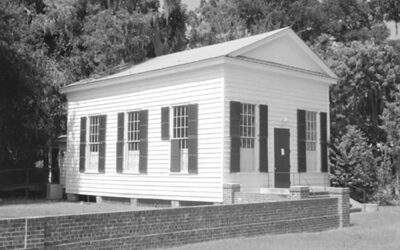
Great Pee Dee Presbyterian Church / Pee Dee Missionary Baptist Church
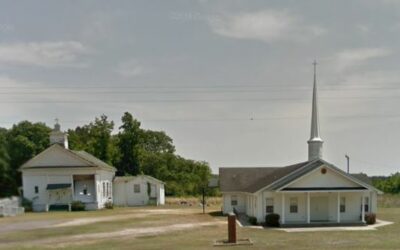
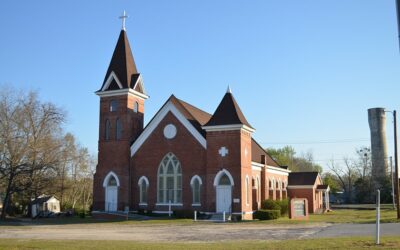
This church, built in 1834, was organized by Rev. Archibald McQueen and is the oldest church building in Marlboro County. Notable features include its cupola and the fanlights over the entrance. It was the mother church for Bennettsville (1855) and Blenheim...
Greater St. James AME Church
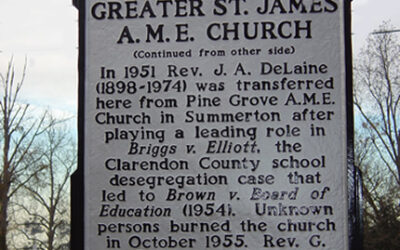
This congregation was founded in 1883 and initially met in a member’s house on Main St. In 1885 they built a frame sanctuary at the corner of Lake and N. Church Streets, renovating it in 1917 and again in 1948-1950. In 1951 Rev. J. A. DeLaine (1898-1974) was...
Greenfield Farm: Site of the SC Black Cowboy Festival
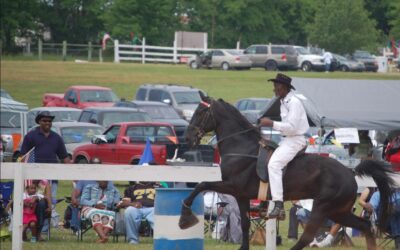
Greenfield Farm is home to the Black Cultural Enlightenment Society, which, through outdoor recreation, agriculture and equine activities, seeks to raise awareness of African American farm life. The farm hosts the Black Cowboy Festival every May. KEYWORDS: COWBOY,...
Slave Cabins at Gregg Plantation (Francis Marion University)
These two cabins were built c. 1836 by slaves on the cotton plantation of J. Eli Gregg in what was then Marion District. They are the last two of eight that originally stood in a cotton field in what is now the center of the campus of Francis Marion University. Built...
Hampton Colored School
This two-room school was built under the leadership of Ervin Johnson, a local African American carpenter in 1929. It served students in grades one through eight. At first funds were so scarce it was only open from October to March. Eventually however, donations from...
Hannah Rosenwald School
Twenty-six Rosenwald schools, the second-highest number in the state, were built in Newberry County. Hannah Rosenwald School was built during the 1924-1925 school year, replacing the older Free Hannah School. Known in Rosenwald School records as the “Utopia School”...
Happy Home Baptist Church
This church, founded soon after the Civil War, held its first services in a brush arbor in the Woods community of what was then Barnwell County. It built its first permanent church, a frame building, in the Zion Branch community near Old Allendale, and adopted the...
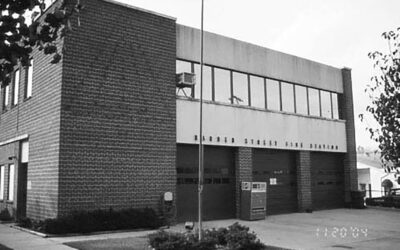
Harden Street Substation
The Harden Street Substation was built in 1953 to employ the Columbia Fire Department’s first African American firemen and to serve the predominately African American Waverly community. Designed by Heyward Singley, a prominent local architect, the new substation was a...
Harmon Field: Home of the 1955 Cannon Street YMCA All-Stars
Harmon Field was created with support from the philanthropic Harmon Foundation, 1927. State law mandated that it be segregated, it was for African Americans only until 1964. In 1953, the Cannon St. YMCA established the first black Little League in SC, it played games...
Harriet Barber House
In 1872 Samuel Barber and his wife Harriet, both former slaves, bought 42.5 acres here from the S.C. Land Commission. Barber, a well-digger as a slave, was a farmer and minister after the Civil War. The Barber family has owned a major portion of this tract since...
Harriet M. Cornwell Tourist House
The Harriet M. Cornwell Tourist House in Columbia was listed in the National Register as part of the Multiple Property Submission “Segregation in Columbia.” From c. 1940 to c. 1960 during the era of segregation, the Harriet M. Cornwell Tourist Home served as a place...
Pride Park / Hartsville Graded School / Mt. Pisgah Nursery School
This is the original site of Hartsville Graded School (later Butler High School), the first public school for black children in the area, which opened around 1900. After the school moved to a new building on 6th Street in 1921, Rev. T J. James began using the...