The Green Book of SC

A Travel Guide to S.C. African American Cultural Sites

News

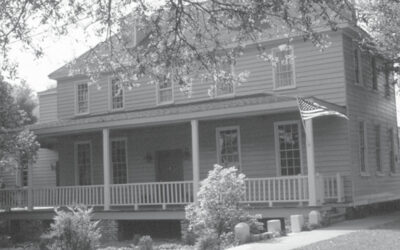
Alonzo J. Ransier House

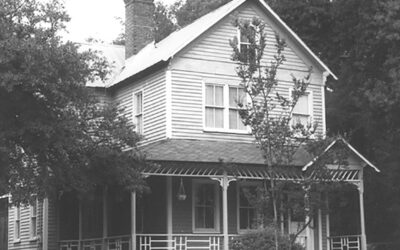
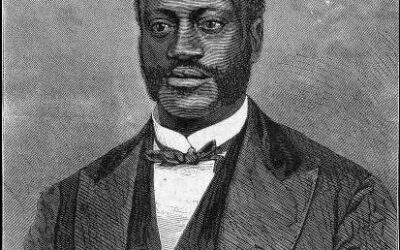
In 1869, this became the home of Alonzo J. Ransier who served in the SC legislature 1868-1870, as SC lieutenant governor, 1872, and in Congress, 1873-1875. Born a free African American in Charleston in 1834, he criticized political corruption while he was a...

read more
John Wesley United Methodist Church

John Wesley United Methodist Church

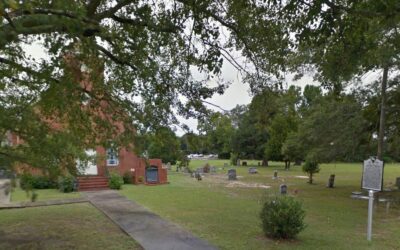
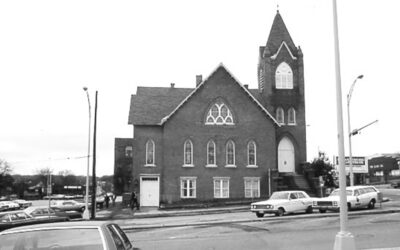
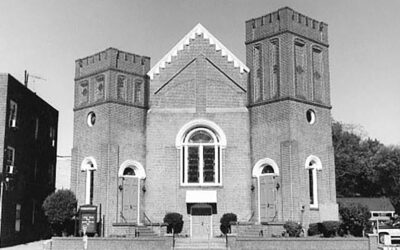
Founded about 1865, John Wesley United Methodist Church was the first black church in Lamar. The congregation built its first sanctuary here about 1866. The first minister, Rev. John Boston, was a Freedman who twice represented Darlington County in the S.C. House of...

read more
John Wesley Methodist Episcopal Church

John Wesley Methodist Episcopal Church

Built c. 1899-1903, this church was organized soon after the Civil War by Rev. James R. Rosemond.  Although born a slave in Greenville in 1820, Rosemond had been allowed to preach at churches before the Civil War.   After the war he organized 50 Methodist Episcopal...

read more
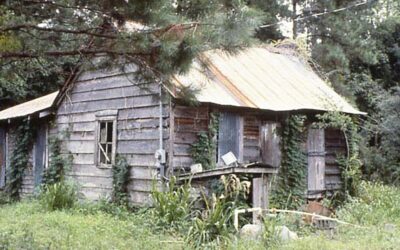
Jonathan A. Baxter House

Jonathan A. Baxter House

This house (c. 1890) was the home of Jonathan Alexander Baxter (1854-1927) a free-born son of a Charleston shoemaker and his wife.  His family moved to Georgetown when Jonathan was an infant.  He was educated in the public schools and became a teacher.  In the 1870s...

read more
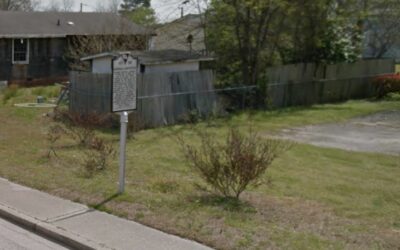
Jonathan Jasper Wright Law Office

Jonathan Jasper Wright Law Office

Jonathan Jasper Wright (1840-1885), was the first African American to sit as a justice on a state Supreme Court.  He practiced law here from 1877-1885.  Wright, from PA, came to SC in 1865 to teach, and he worked as a Freedmen’s Bureau attorney.  He was a delegate to...

read more
Joseph Hayne Rainey House

Joseph Hayne Rainey House

This National Historic Landmark was the family home of Joseph H. Rainey, the first African American elected to the US House of Representatives (1870-1879).  Born in Georgetown County in 1832, it is believed Rainey made blockade-running trips during the Civil War.  He...

read more
Keithfield Plantation

Keithfield Plantation

This was one of several productive rice plantations on the Black River, producing 315,000 pounds of rice with 81 slaves in 1860. Agricultural features (including fields, canals and dikes) associated with rice cultivation remain intact at Keithfield. The plantation...

read more
Kendall Institute

Kendall Institute

Kendall Institute, founded on this site in 1891, was one of the first black schools in Sumter.  It was funded by the Board of Missions for Freedmen of the Presbyterian Church in the U.S.A.  The institute was named for Mrs. Julia B. Kendall, late wife of Rev. Henry...

read more
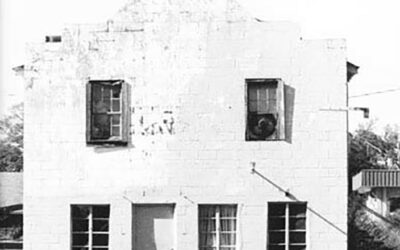
Knights of Wise Men Lodge Hall

Knights of Wise Men Lodge Hall

The Knights of Wise Men was organized in 1870 to provide financial and farming assistance to the families of its members.  The Knights purchased this property at the rear of "The Green" in 1889 for $8.00 and built a two-story wood frame building, which burned in...

read more
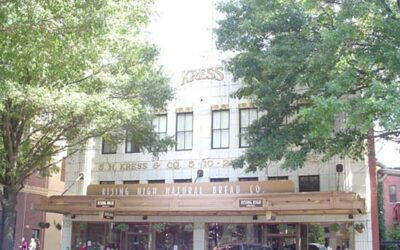
Kress Building: The “Sit-In” Movement in Columbia, SC

Kress Building: The “Sit-In” Movement in Columbia, SC

This building, constructed around 1935, housed a Kress “five and dime” store with a lunch counter that served whites only. It was one of eight places in Columbia that saw student protests and sit-ins during the Civil Rights Movement of the 1960s. KEYWORDS: CIVIL...

read more
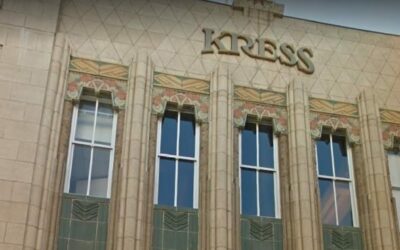
Kress Building: The Sit-In Movement in Charleston, SC

Kress Building: The Sit-In Movement in Charleston, SC

On April 1, 1960, the lunch counter at this former S.H Kress five-and-dime store was the site of the city’s first civil rights sit-in.  Black students from Burke High were denied service but wouldn’t leave.  They were arrested, convicted and fined. Former Woolworth’s...

read more

Kumler Hall at Brainerd Institute

Brainerd Institute was one of the earliest and finest of the many private schools established for freedmen in South Carolina in the years just after the Civil War. Brainerd was operated from ca.1868 until 1940 by the Board of Missions of the Presbyterian Church, USA...

read more
Ladson Presbyterian Church

Ladson Presbyterian Church

In 1838 First Presbyterian Church of Columbia organized their African American members into a separate but affiliated congregation. In 1874 the Ladson members severed ties with First Presbyterian Church and joined the northern Presbyterian denomination. In 1876 the...

read more
Laing School

Laing School

Founded in 1866 by a Quaker who was a Union Army nurse during the Civil War, she housed the school initially in Mount Pleasant Presbyterian Church. The 1868 school was destroyed by the 1886 earthquake and was replaced by a building which eventually became Laing...

read more