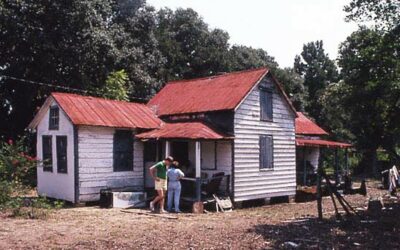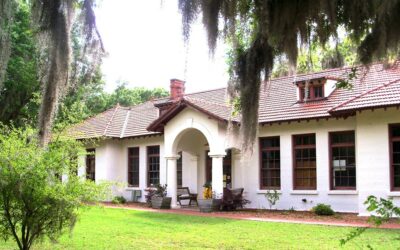
Redcliffe interprets the history of multiple generations of families (Henleys, Goodwins and Wigfalls) who were enslaved here and at other plantations owned by SC Governor James Henry Hammond, or who worked as sharecroppers and/or paid employees from 1831 to 1875. In...
News
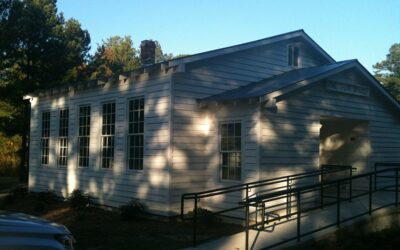
Retreat Rosenwald School
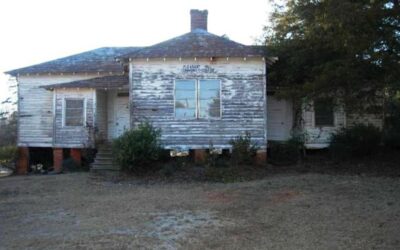
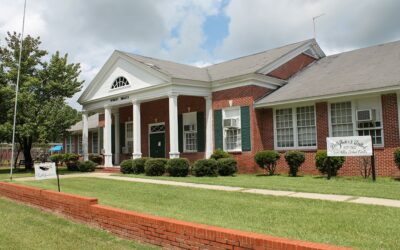
Retreat Rosenwald School, built in 1924, was one of 10 Rosenwald Schools in Oconee County. The 2-teacher, 3-room school served African American students in the Retreat community of Westminster. Construction costs were $2,300, of which $700 came from the Julius...
Richard Samuel Roberts House
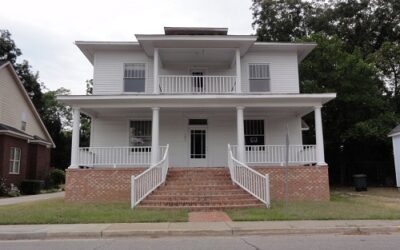
Richard Samuel Roberts, a photographer who documented Columbia’s black community, lived here from 1920 until his death. Roberts, a self-taught photographer, moved his family from Florida to Columbia and bought this house for $3,000. He was a full-time custodian at the...
Richland Cemetery
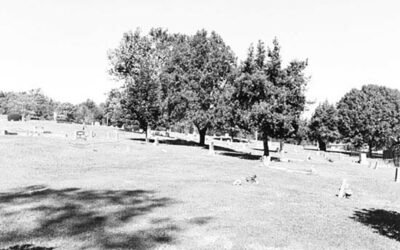
This 6-acre cemetery in the Greenline-Spartanburg neighborhood.was established by the City of Greenville in 1884 as the first municipal cemetery for African Americans. It was named for nearby Richland Creek. The establishment of the cemetery led to the development of...
Ridge Hill High School
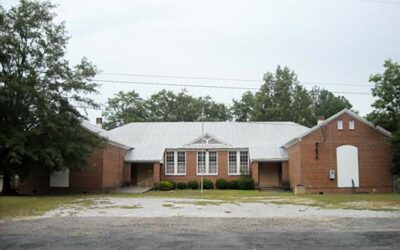
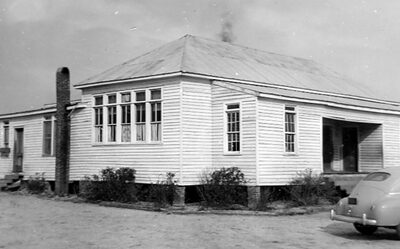
Ridge Hill High School, built in 1934, replaced a Rosenwald-funded wood clapboard school built on the same site in 1924 which burned 10 years later. The school was rebuilt as a brick version of the original industrial school, using the same six teacher plan. The total...
Ridge Hill School / Faith Cabin Library
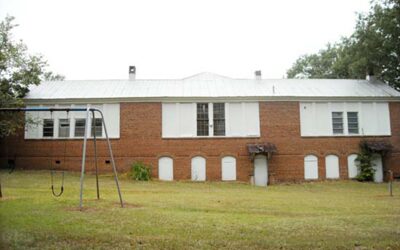
This school, built in 1934, replaced the Ridge Hill Rosenwald School, a six-classroom frame school built in 1923-24. This new school was built on the sale plan, at a cost of about $8000. Grades 1-11 attended this school until grade 12 was added in 1947. Ridge Hill...
Robert Simmons House
This house was built c. 1910 by Robert Simmons, an African American farmer. The house is a rare surviving example of a double pen house, a vernacular architectural form once common on St. Helena Island. Double pen houses had two rooms side-by-side, each usually...
Robert Smalls School
Robert Smalls School was completed in 1953 and named for black Civil War hero and Reconstruction-era politician Robert Smalls. It is significant in the area of education for its association with the South Carolina “Equalization School” building program. This was a...
Robert Weston Mance House
The Robert Weston Mance House, built in 1903, stood at the corner of Pine and Hampton Streets before it was moved to Heidt Street in 2008. A two-story American Foursquare frame house, it was built for grocers Thomas J. and Ida Roberts, whose store was next door. Rev....
Rocky Swamp Rosenwald School
This is the site of Rocky Swamp Rosenwald School, a frame three-room school built here in 1920-21 for African American students in Neeses and vicinity. An elementary school with two to three teachers in grades 1-9, it was one of more than 500 schools in S.C. funded in...
Pee Dee Union Baptist Church
On January 12, 1782, Cheraw Hill Baptist Church had its constitution granted by the Welch Neck Baptist Church, in Society Hill, SC. The church consisted of both black and white members. By the 1860s, the black members who had become the majority, applied for and...
Penn Center Historic District / Reconstruction Era National Monument
Penn School was founded in 1862 by northern missionaries and abolitionists who came to South Carolina after the capture of the Sea Islands by Union troops. The site and its collection of historic buildings were venues for education, the preservation and...
Peoples Hospital
Peoples Hospital, the first and only hospital for African Americans in the county from 1937 until Newberry County Memorial Hospital was desegregated in 1952, stood here until 1970. It was founded by Dr. Julian Edward Grant (1900-1997), who practiced medicine in...
Pine Grove Rosenwald School
Built in 1923, the Pine Grove School is a wood-frame, one-story rectangular gable-front building with a V-crimp tin metal roof. The layout of the Pine Grove Rosenwald School is a variant of the typical Rosenwald two-room schoolhouse. The common characteristics of...